
From Near Miss to Major Failure: What January Really Revealed
January often appears calm across production environments. Output stabilizes after year end fluctuations, maintenance teams return to routine schedules, and there is a general sense that operations have started the year on stable ground.
However, January has a way of revealing realities that remain hidden during busier months. Instead of obvious breakdowns, it brings smaller incidents to the surface. Brief trips, unusual behavior, momentary alarms, or equipment that hesitates and then continues running as if nothing happened. Because production is rarely interrupted, these events are easy to dismiss.
That calm is misleading.
Near Misses Signal Existing Failure
Near misses are often treated as non-issues because operations continue. No downtime is recorded, no immediate action is taken, and attention quickly moves elsewhere. In practice, a near miss confirms that something has already degraded enough to behave abnormally.
The only reason production continues is because the system recovers on its own. January revealed how frequently equipment is operating with very little buffer left between normal operation and failure.
What January Brought to the Surface
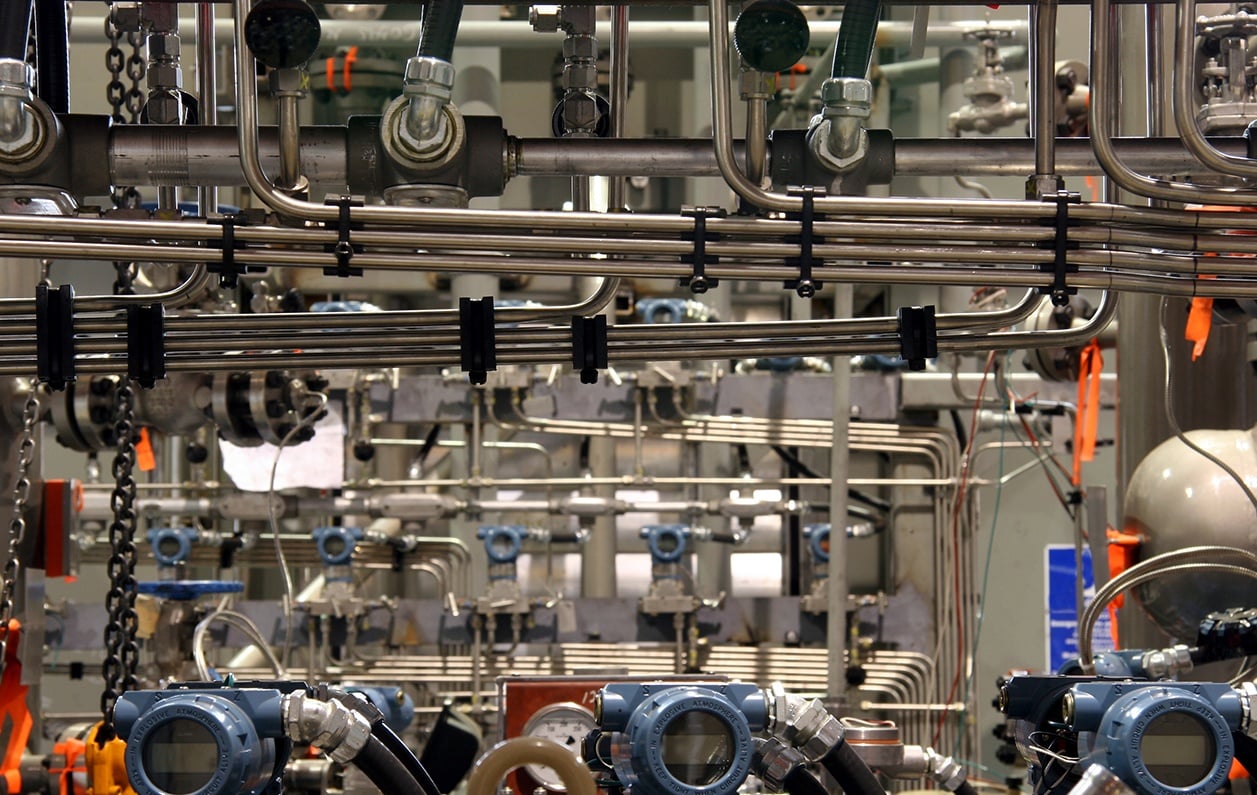
Across many facilities, the same underlying issues became visible.
Much of the installed equipment is operating well beyond its original design life. Drives, PLCs, power supplies, and operator interfaces still function reliably most of the time, but age-related wear becomes noticeable during restarts, load changes, or environmental shifts that are common at the beginning of the year.
Temporary solutions also contribute to growing risk. Fixes introduced to avoid downtime often remain in place far longer than intended. Over time, these workarounds become accepted as normal operation, even though they quietly reduce system resilience.
At the same time, monitoring capabilities are widely available. Alarms are generated, logs are stored, and trends can be reviewed. What is often missing is follow up. When abnormal events do not immediately impact production, investigation and corrective action are postponed.
Why the Risk Increases After January
The most serious failures rarely occur at the moment of the first warning. They appear later, when operating conditions become less forgiving.
An issue that surfaces briefly in January may escalate during higher production demand in the following months. What feels like a sudden failure later in the year is usually the result of early signals that were already present but not acted on.
January effectively highlights which assets are most likely to cause unplanned downtime as the year progresses.
Turning Early Signals into Control
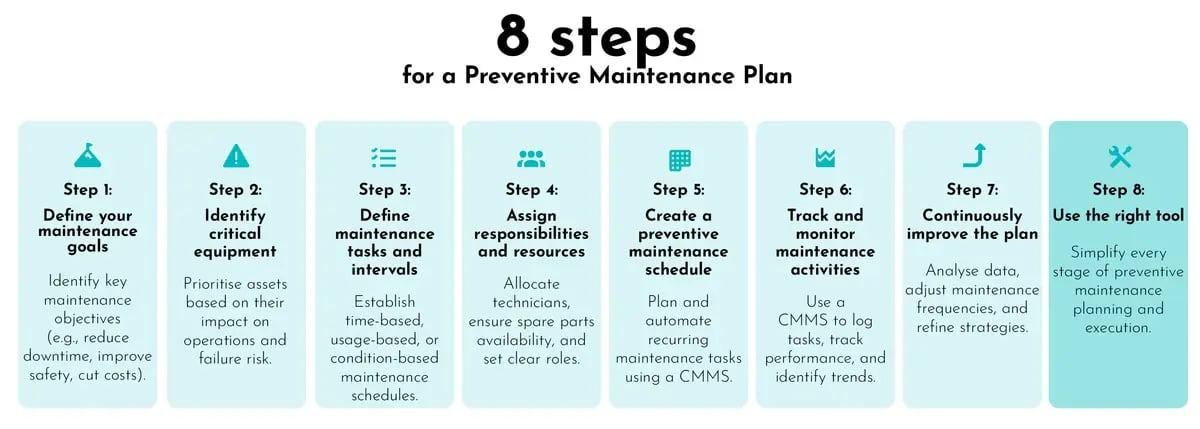
Organizations that perform consistently treat January as an assessment window rather than a quiet month. Near misses are documented, reviewed, and used to guide priorities while there is still time to plan.
This typically includes recording abnormal behavior even when production is unaffected, identifying patterns across repeated events, evaluating repair or refurbishment options early, and scheduling corrective work during planned downtime instead of emergency stops.
This approach shifts maintenance from reactive response to controlled risk management.
Moving From Reaction to Readiness
Major failures almost never arrive without warning. They develop gradually through small changes in behavior that are easy to rationalize when pressure to keep production running is high.
January did not indicate stability. It provided clarity.
Whether that clarity leads to preparation or postponed decisions will determine how the rest of the year unfolds. The difference between a near miss and a major failure is rarely chance. It is the decision to act while there is still time.


